
Síguenos en:

The project

Video game literacy of the faculty and implementation of a resource for the ethical and socio-emotional development in secondary education from the independent video games
Playcomp is a project that intends to improve the video game culture of the faculty and the civic and personal skills of the students in secondary education through independent video games. For that, it claims the dialogic use of these cultural artifacts to work in an explicit manner the key competences 5 (personal, social, and learning to learn) and 6 (civic competence).
The project intends to create an educational innovative resource open to the educational community and measure the impact of the dialogic job with independent video games in the improvement of the aforementioned competences.
The team
The team is formed by 17 researchers of 12 European universities (Spain, Finland and Portugal) most of them members of the Cluster of Educational Technology (GTE) belonging to the University of the Balearic Islands Balearic (UIB) and to the Institute of Research and Educational Innovation (IRIE). The project will be implemented in five high schools, four in Spain and one in Portugal
Research team
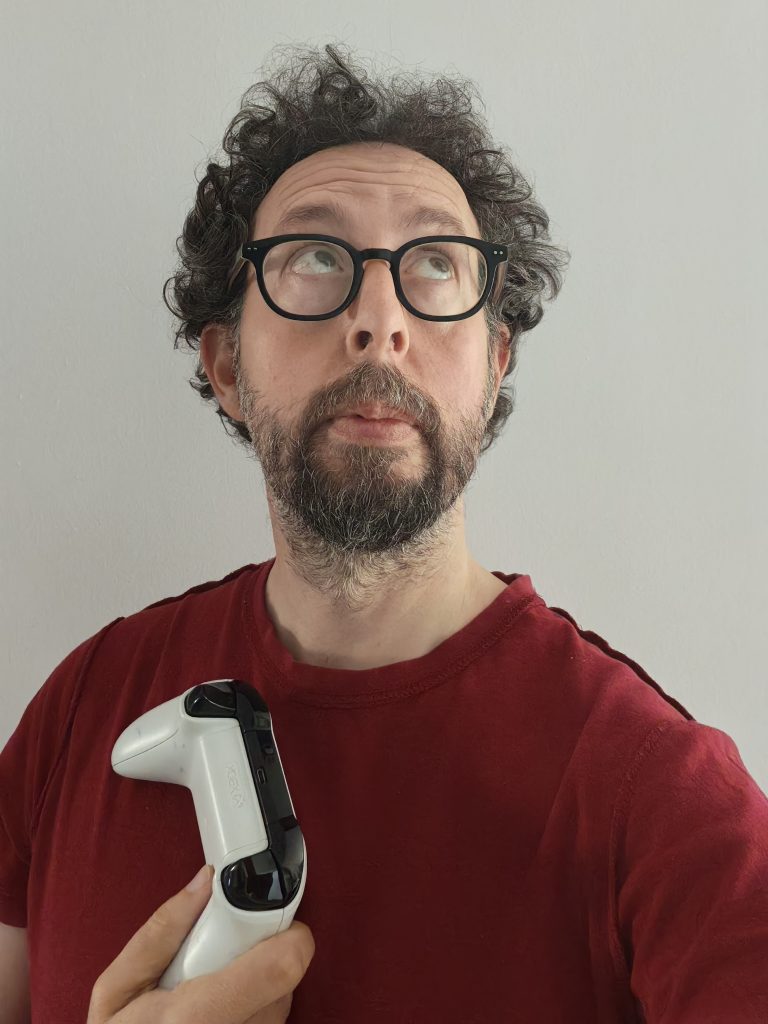
Jorge Oceja is a professor, educational psychologist, and holds a master's degree in educational technology, which he got through a Fulbright scholarship at California State University in the United States. With a doctorate in Educational Sciences, he has worked as a primary and secondary school teacher in London and the United States through various public programs.
After returning to Spain, he directed the education department of the Botín Foundation. He is currently a Ramón y Cajal senior researcher at the University of the Balearic Islands, where he leads several research and knowledge transfer projects at the intersection of game studies and education. He is the author of numerous academic works and has completed academic stays at universities in Denmark, Finland, Germany, and Portugal.
After returning to Spain, he directed the education department of the Botín Foundation. He is currently a Ramón y Cajal senior researcher at the University of the Balearic Islands, where he leads several research and knowledge transfer projects at the intersection of game studies and education. He is the author of numerous academic works and has completed academic stays at universities in Denmark, Finland, Germany, and Portugal.
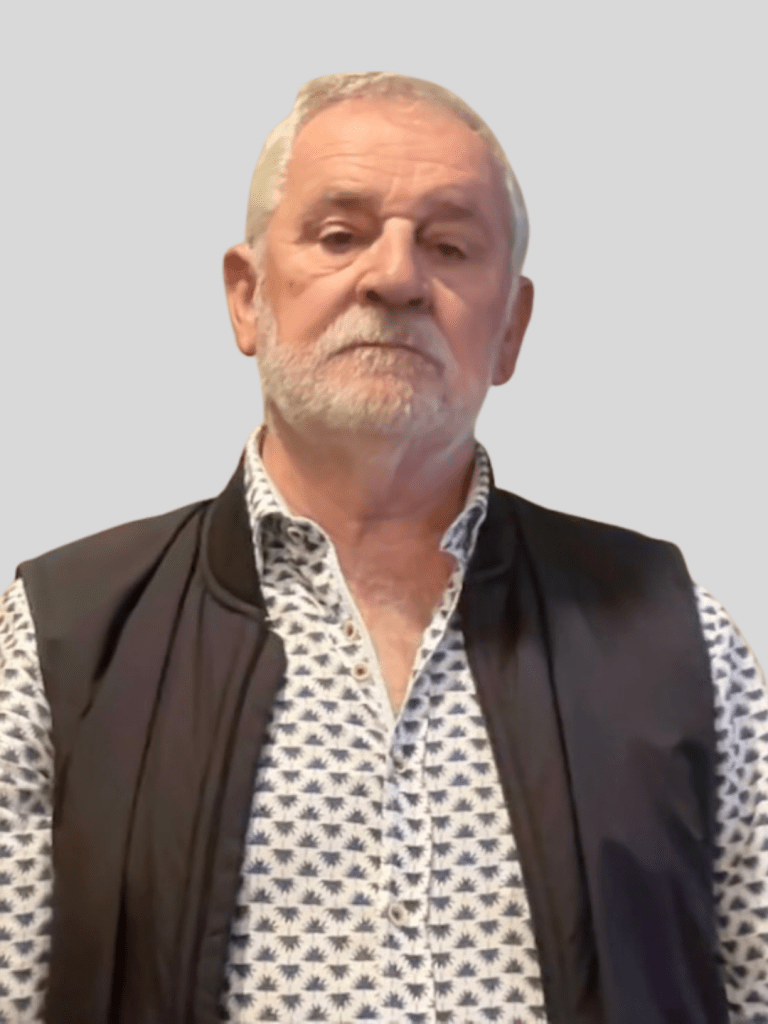
Educator. Primary school teacher. Professor of Educational Technology at the University of the Balearic Islands. Principal investigator of the Educational Technology Group (Institute for Educational Research and Innovation). Coordinator of the PhD program in Educational Technology (University of the Balearic Islands, Rovira i Virgili University, University of Lleida, and University of Murcia). Director of the Master's program in Education in Virtual Environments, National University of Southern Patagonia (Argentina). He has led R&D projects in ICT in higher education and virtual teaching and learning environments at the national, European, and international levels. He has coordinated inter-university cooperation and scientific research projects and networks with various countries. Director of Edutec, an online journal of educational technology. Scientific evaluator for various Spanish and Latin American agencies. His research interests include e-learning, flexible education, flexible learning pathways, self-regulated learning, and personal learning environments.
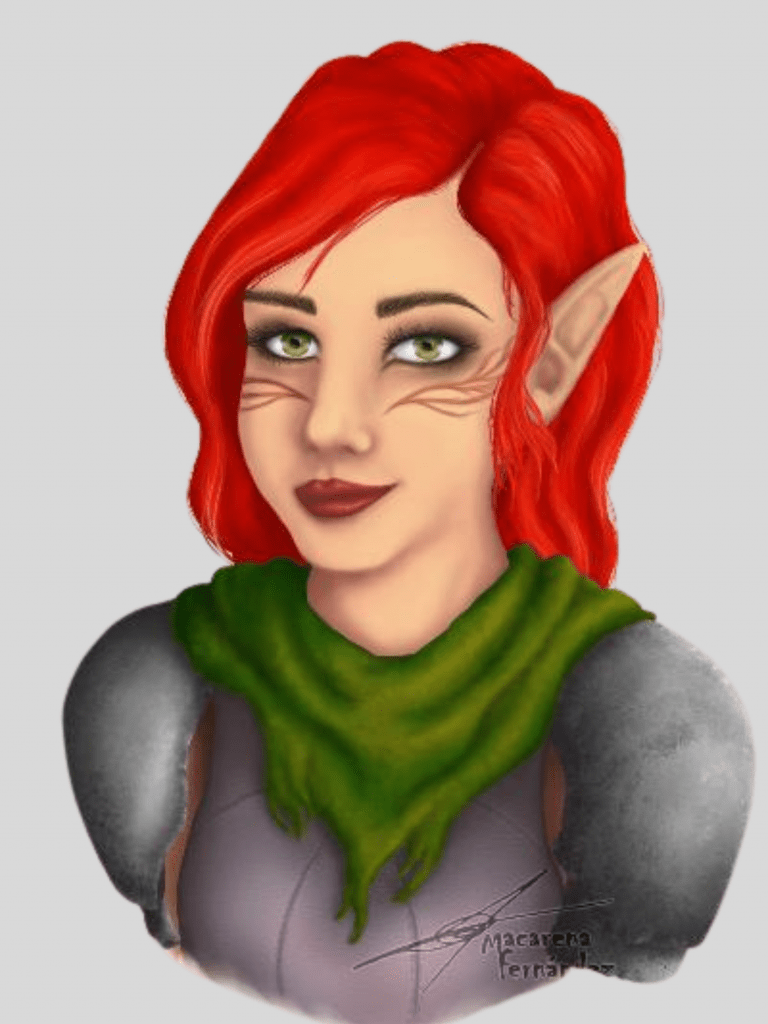
Ana Manzano León is a social educator and assistant professor in the Department of Developmental and Educational Psychology at the University of Almería. She graduated with top honors in her class (2012-2016) and completed three master's degrees: one in Education and ICT, another in Teacher Training, and a third in Special Education. She holds two PhDs, one in Education and Didactic Innovation and the other in Teacher Training. Her research focuses on game-based learning, gamification, and educational psychology, and she has published over 40 scientific articles and other publications. She has also participated in knowledge transfer activities related to Education for Social Transformation with organizations such as Doctors of the World, Farmamundi, and Bosco Global.
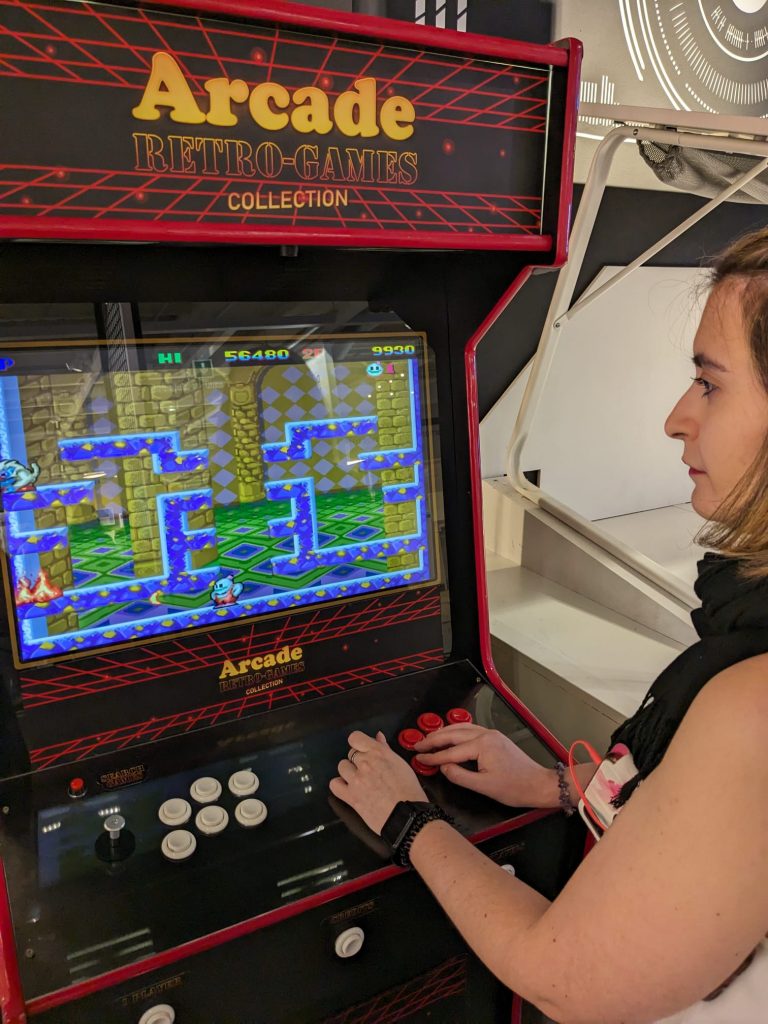
Marta Martín del Pozo is an educator, holds a Master's degree in ICT in Education and a Master's degree in Educational Inspection and Supervision. She has a PhD in Training in the Knowledge Society, with the thesis "Video games in teacher training: design, application and evaluation of a training proposal".
Currently a tenured lecturer at the University of Salamanca, she serves as the academic secretary of the Department of Didactics, Organization, and Research Methods. She is a member of the INDIE Research Group – Digital Intelligence in Educational Processes. She also directs the EduCoRe Knowledge Transfer Group – Digital Educational Ecosystems: Contexts, Organizations, and Resources in Educational Processes.
She has participated in national and international projects on various topics (serious games, digital game-based learning, digital skills, universal design for learning, information literacy, etc.). Her research interests include video games and education, digital game-based learning, serious games, design and evaluation of teaching materials, gamification, school organization, and ICT.
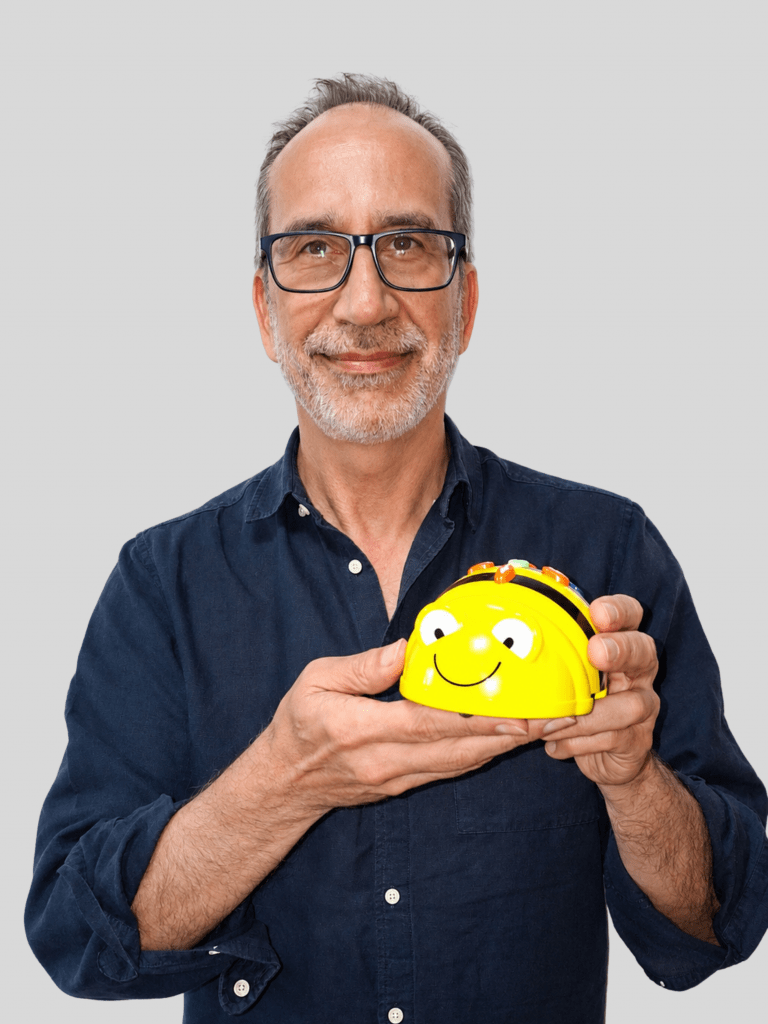
Santos Urbina holds degrees in Psychology and Pedagogy and a PhD in Educational Sciences.
He is a professor in the Didactics and School Organization Area of the Department of Educational Sciences at the University of the Balearic Islands, where he has taught courses related to Educational Technology in various programs at the Faculty of Education for the past 30 years.
He was the director of the UIB Virtual Campus from 2007 to 2017. He has participated in numerous national and international conferences and events and has published in prestigious journals in the field of Educational Technology. He has also participated in a number of R&D and international cooperation projects. He is also a professor in the Inter-University Master's and Doctoral Programs in Educational Technology (University of Lleida, UIB, University of Murcia, and Rovira i Virgili University).
He is a professor in the Didactics and School Organization Area of the Department of Educational Sciences at the University of the Balearic Islands, where he has taught courses related to Educational Technology in various programs at the Faculty of Education for the past 30 years.
He was the director of the UIB Virtual Campus from 2007 to 2017. He has participated in numerous national and international conferences and events and has published in prestigious journals in the field of Educational Technology. He has also participated in a number of R&D and international cooperation projects. He is also a professor in the Inter-University Master's and Doctoral Programs in Educational Technology (University of Lleida, UIB, University of Murcia, and Rovira i Virgili University).
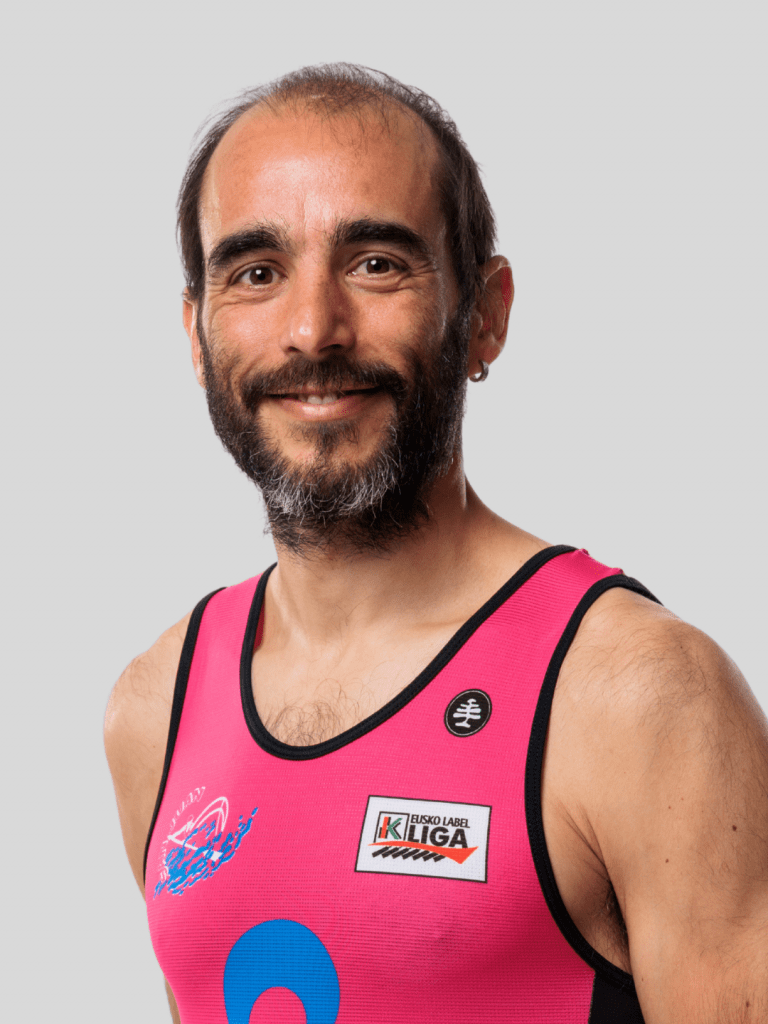
Ángel Obregón is a computer engineer with a master's degree in teacher training and in technologies applied to languages. He holds a PhD in Educational Sciences and works as a university professor at UI1, UNIR, and UOC.
His research focuses primarily on the educational application of Wikimedia Foundation projects, such as Wikipedia, Wikimedia Commons, and Wikidata, as well as the history of trainera rowing. Regarding video games, he has analyzed their presence on both Wikidata and Wikipedia in several works, examining their quality and completeness. He is the author of numerous scientific publications and has completed academic stays at educational institutions in Italy, Belgium, and Portugal.
His research focuses primarily on the educational application of Wikimedia Foundation projects, such as Wikipedia, Wikimedia Commons, and Wikidata, as well as the history of trainera rowing. Regarding video games, he has analyzed their presence on both Wikidata and Wikipedia in several works, examining their quality and completeness. He is the author of numerous scientific publications and has completed academic stays at educational institutions in Italy, Belgium, and Portugal.
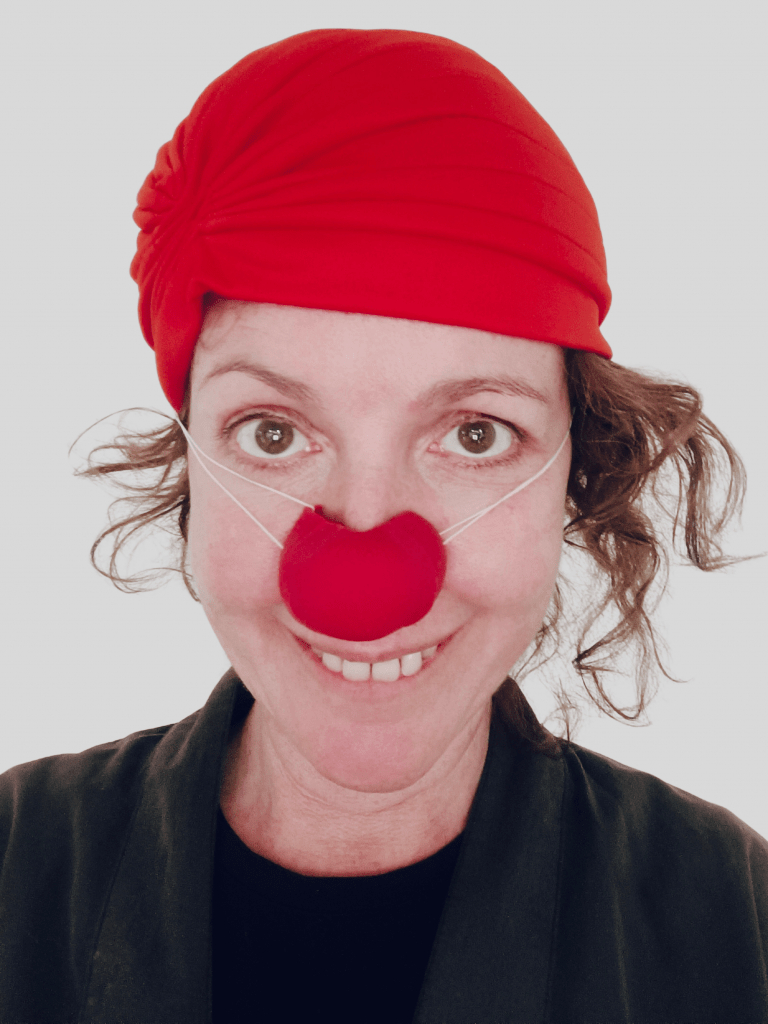
Raquel Palomera Martín is a Full Professor in the Department of Developmental and Educational Psychology at the Faculty of Education of the University of Cantabria (UC). She is a member of the research group on Socio-Emotional Development, Well-being, and Education at the UC and collaborates with various national and international research groups in the field of emotional, social, and ethical education. Her research focuses on the role of emotional intelligence in education, teacher and child/adolescent well-being, and the design and validation of educational programs and instruments for assessing emotional intelligence. The results of her research have been disseminated through conferences and published in several prestigious national and international scientific journals, including a manual on Emotional Intelligence for Teachers (Summary).
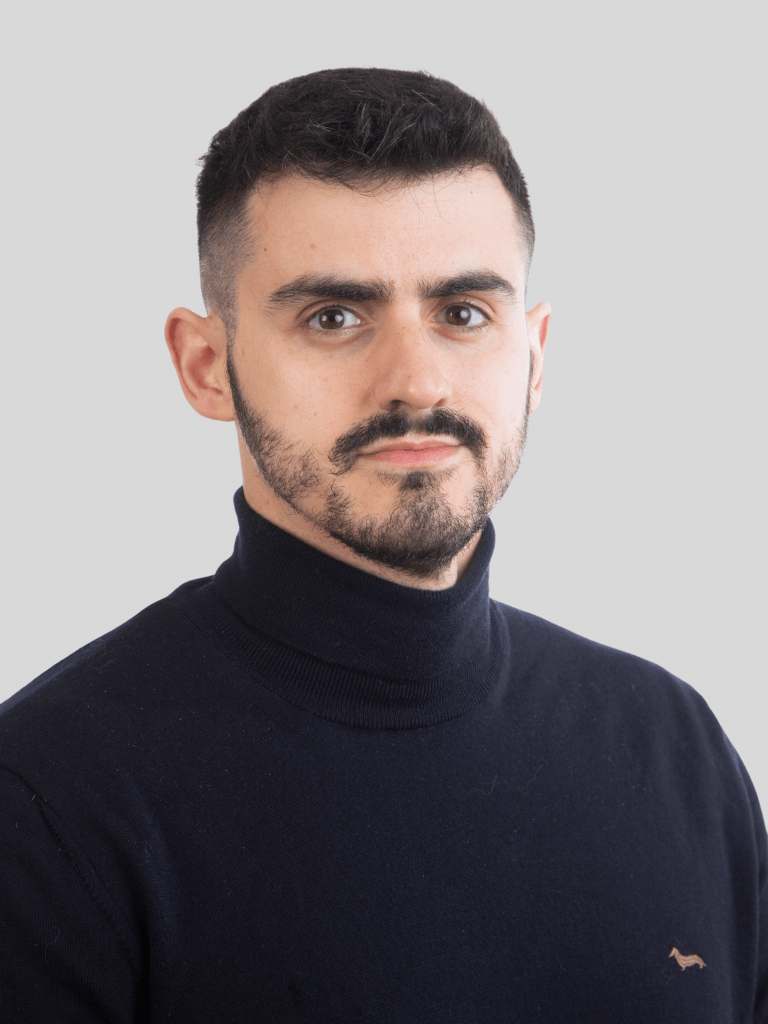
With a PhD in Philosophy, he is a Professor of Aesthetics and Theory of the Arts and Vice-Dean of the Faculty of Philosophy at the University of Salamanca, as well as a member of the Research Group in Aesthetics and Theory of the Arts (GEsTA) at the same university. He specializes in aesthetics, digital culture, and video games. He has been a researcher and visiting lecturer at institutions such as the IT University and the Royal Danish Academy of Fine Arts in Copenhagen, the University of Antwerp, and the Lusófona University of Portugal. His recent publications include the book Strange Days in the Digital Utopia (Trea, 2024) and the edited volume Aesthetics and Video Games (University of Salamanca Press, 2025).

Júlia Vilasís-Pamos is a tenured lecturer in the Department of Applied Pedagogy and Educational Psychology at the University of the Balearic Islands and a member of LabVET. She is also a collaborating professor at the Open University of Catalonia (UOC) and a member of the Research Group on Political Communication, Journalism and Democracy (POLCOM-GRP) at Pompeu Fabra University (UPF). Her main research interests include video games, youth, the digital division, new perceptions of work, and anti-school discourse.
Work team
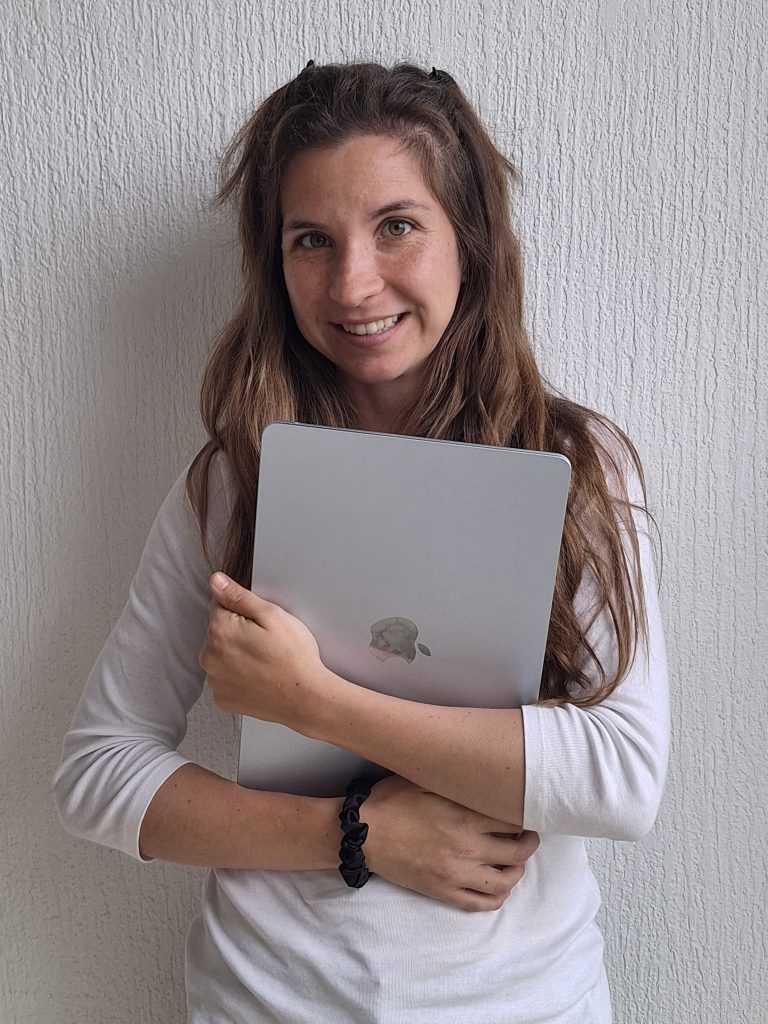
Jacoba Munar Garau is a predoctoral researcher (FPU-CAIB) and lecturer in the area of Educational Technology at the University of the Balearic Islands, in the Department of Applied Pedagogy and Educational Psychology (Faculty of Education). As a member of the Educational Technology Group (GTE), she has taught courses related to ICT applied to teaching, technological resources, and knowledge management in the degrees of Early Childhood Education, Primary Education, Pedagogy, and the double degree in Early Childhood and Primary Education.
Her research focuses on personalized learning, curriculum flexibility, and the integration of digital technologies in education. She has also participated in studies on teachers' digital competence, families' perceptions of the educational use of technology, and the use of video games in educational contexts.
Her research focuses on personalized learning, curriculum flexibility, and the integration of digital technologies in education. She has also participated in studies on teachers' digital competence, families' perceptions of the educational use of technology, and the use of video games in educational contexts.
Kevin Marín Rubio is a predoctoral researcher at the Faculty of Education at the University of Barcelona. He is developing his PhD thesis at Play Utopia, a future-creation club for young people in Barcelona. The project explores how pedagogical practices using video games cultivate critical thinking and co-construct visions of desirable futures.
His research areas include utopian critical pedagogy, video game-based learning, video game literacy, action research, and ecocriticism.
Kevin holds degrees in Primary Education and in Physical Activity and Sports Sciences, as well as master's degrees in Teacher Training and in Philosophy for Contemporary Challenges. His research, teaching, and socio-educational career has always been linked to critical pedagogy, both with and without video games.
His research areas include utopian critical pedagogy, video game-based learning, video game literacy, action research, and ecocriticism.
Kevin holds degrees in Primary Education and in Physical Activity and Sports Sciences, as well as master's degrees in Teacher Training and in Philosophy for Contemporary Challenges. His research, teaching, and socio-educational career has always been linked to critical pedagogy, both with and without video games.
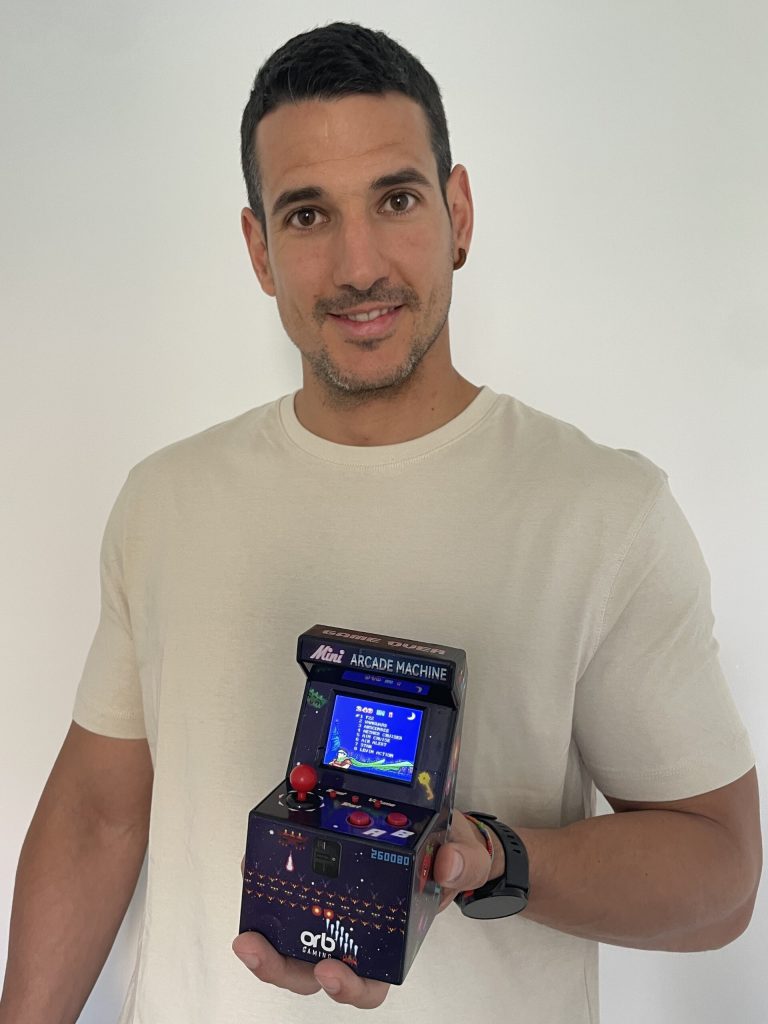
Miguel Fernández Cárcar is a historian, teacher, and researcher specialized in the didactics of Social Sciences. With a PhD in Humanities and Social Sciences from the Public University of Navarre, his research focuses on video game-based learning and play-based pedagogies applied to the teaching of History. He combines his work as a Geography and History teacher in the High School with university teaching as an associate professor at the Public University of Navarre. He has participated in national and international research projects related to educational innovation and the use of emerging technologies in the classroom. His lines of work also include the study and analysis of textbooks, Service Learning with a clear social orientation, as well as teacher training and the improvement of educational practice.

Ricardo Soares holds a bachelor's and master's degree in Educational Sciences. He is currently a researcher at the Centre for Research and Intervention in Education (CIIE) of the Faculty of Psychology and Educational Sciences at the University of Porto (FPCEUP). He is completing his PhD in Educational Sciences with a thesis entitled "Educational implications of populism in Portugal: from individual attitudes to collective narratives on social networks" (funded by the FCT). He is also a member of the PLAYCOMP research project. To date, his research has focused on: populism; civic and political participation of young people; new media (primarily social networks); digital and media literacy; and political and media education.

Paula Rodríguez Rivera is a Social Educator and holds a PhD in Equity and Educational Innovation from the University of Vigo. She has taught at the University of Vigo and the University of the Balearic Islands. Her academic career focuses on educational innovation, game-based learning, gamification, the Queer perspective, inclusion, and the pedagogical use of artificial intelligence in higher education.
Her recent publications include *The Impact of Video Game Use of Dark Patterns and Random Reward Mechanisms on Youth: A Systematic Literature Review* (2026), *Efectos de la combinación de aprendizaje-servicio y aprendizaje basado en juego sobre las competencias cooperativas del alumnado universitario* (2026), and *Evaluating a UDL-Based Digital Escape Room for Bullying Awareness in Secondary Education* (2026). She is also the author of the book * Gamificación educativa e aprendizaxe baseado en xogo na educación universitaria* (2025).
Her recent publications include *The Impact of Video Game Use of Dark Patterns and Random Reward Mechanisms on Youth: A Systematic Literature Review* (2026), *Efectos de la combinación de aprendizaje-servicio y aprendizaje basado en juego sobre las competencias cooperativas del alumnado universitario* (2026), and *Evaluating a UDL-Based Digital Escape Room for Bullying Awareness in Secondary Education* (2026). She is also the author of the book * Gamificación educativa e aprendizaxe baseado en xogo na educación universitaria* (2025).
Pedro Ferreira (he/him), PhD in Psychology and an Associate Professor in Education at the Faculty of Psychology and Education Sciences of the University of Porto. His main research focus is the political participation of young people and adults. More recently, he has been researching how digital contexts, digital technologies, and digital media can contribute to political subjectivation and political education. He coordinated national and international projects including the FCT funded JoSeES on the use of video games with social and political themes in higher education settings, and the UPorto team of a Horizon Europe Project - SCIREARLY - on tackling underachievement and early school leaving in Europe. He is a member of the Ibero Latin-American Association for Political Psychology (AILPP) and of the Portuguese Society of Education Sciences (SPCE).
Hired personnel
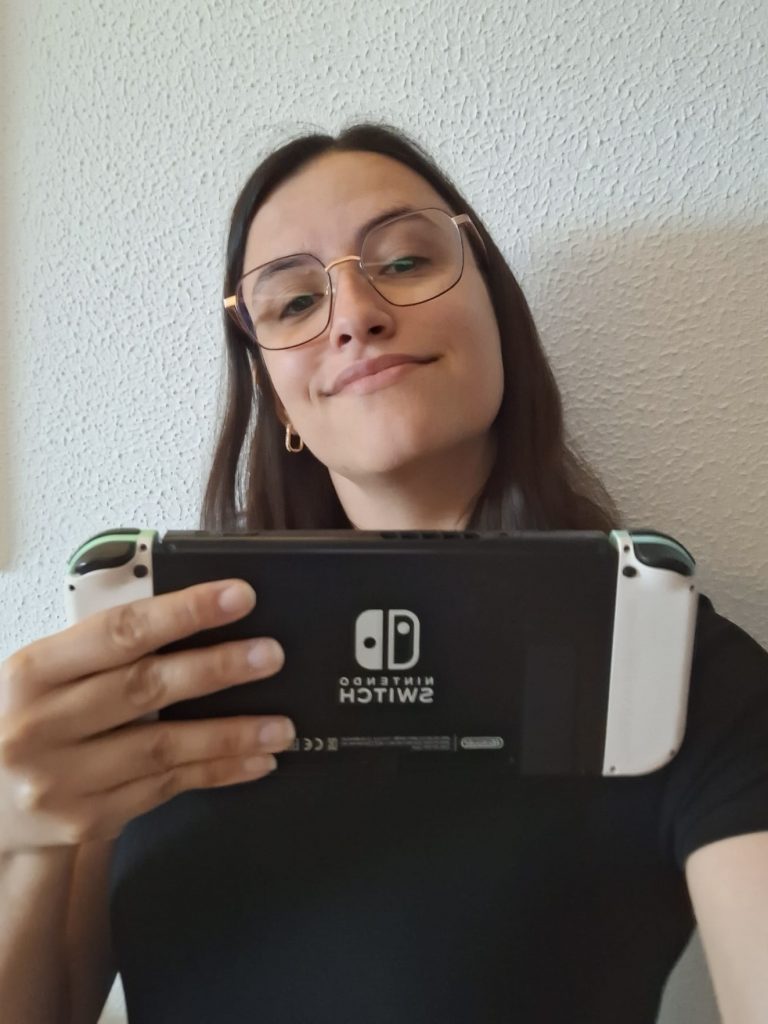
Mikki Benlloch comes from the world of communications. She was graduated in Journalism with a Master's degree in Audiovisual Formats and Content, she has worked as a Community Manager. She recently completed a Master's degree in Teacher Training, specializing in Geography and History. Her Master's thesis project involved developing a visual novel to reinforce reading comprehension and teach history to 8th grade students.
Partner centres
The team is formed by 17 researchers of 12 European universities (Spain, Finland and Portugal) most of them members of the Cluster of Educational Technology (GTE) belonging to the University of the Balearic Islands Balearic (UIB) and to the Institute of Research and Educational Innovation (IRIE). The project will be implemented in five high schools, four in Spain and one in Portugal

CANTABRIA
IES Leonardo Torres Quevedo

NAVARRA
Colegio Santa María la Real Maristas Pamplona

PORTUGAL
Escola Global – Colégio das Terras de Santa Maria

BALEARIC ISLANDS
Col·legi Beat Ramon Llull

GALICIA
IES Plurilingüe Antón Losada Diéguez


